


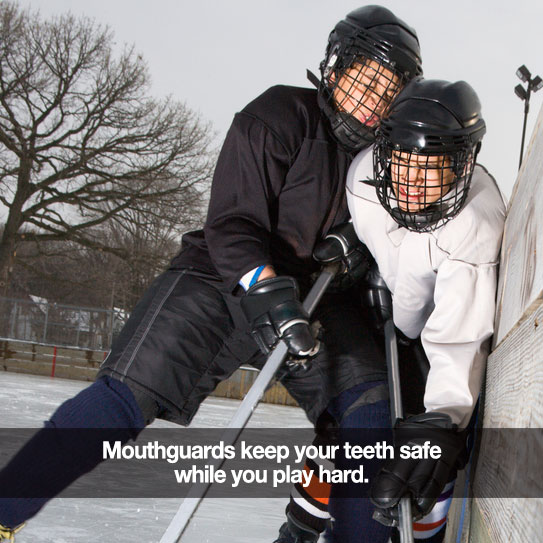
DID YOU KNOW THAT 5 million teeth are knocked out each year in sporting activities? Here at Dental Partners of Boston, we’ve seen the results of those accidents. Repairs to your smile can be time-consuming, inconvenient, and expensive. So we want to help you prevent those unexpected accidents. An excellent way to do this is by wearing a mouth guard while playing sports.
Studies have shown that custom mouth guards (meaning they are fitted specifically to your mouth) can reduce the chance of dental injuries by up to 99%.
Sports Cause Dental Injuries
The American Dental Association states that approximately 200,000 suffer dental injuries while playing sports each year. These injuries include:
- A fractured tooth
- Dislodgment of teeth
- Damage to previous dental work such as crowns, veneers, bridges, braces, and dental implants.
Get A Mouth Guard You Actually Like To Wear
Mouth guards have a reputation for being bulky, smelly, and uncomfortable. However, if you come to Dental Partners of Boston, we can make a custom mouthguard that will be comfortable, tasteless, resilient, tear-resistant, and will minimally impede breathing and speaking. We take great pride in helping the athletes of Boston.
Your Visit Will Be Easy
Getting a mouth guard is easy. All you have to do is call and make an appointment. Your appointment will be simple and painless. You won’t need X-rays or a dental exam so no drugs or tools are necessary. It will be a quick, straightforward visit.
It is important to protect your teeth while doing the activities you love. Let us help you protect your smile and stay safe as you play the sports you enjoy.
Disclaimer: The information provided in this article is for educational and informational purposes only and is not a substitute for professional medical or dental advice, diagnosis, or treatment. Always seek the advice of your dentist, periodontist, or other qualified healthcare provider with any questions you may have regarding procedures or a specific medical condition. If you are experiencing severe pain, heavy bleeding, or signs of infection following a surgical procedure, contact your dentist or emergency services immediately.